Palazzo Madama stands in the middle of Piazza Castello, the great square at the heart of Turin, and it is the oddest building on this list. Walk around it and you see three different buildings joined together. On the east side, two brick towers with Roman foundations mark one of the gates of the ancient city. Behind them rises a medieval castle, square and fortified. On the west side, facing the main streets, is an elegant white baroque facade of the eighteenth century, as if a palace had been pinned to the front of a fortress.
The building has been a gate, a castle, a residence, a seat of parliament and a museum. Today it holds the city's museum of ancient art, and it is number 08 on this list.
From gate to castle
The oldest part of the building is the eastern gate of Roman Turin, built in the first century BC when the city was a military colony. In the Middle Ages, the gate was turned into a fortified house and then into a castle, with towers at its corners. The castle served the lords of the area and later the Savoy dukes, who made Turin their capital in the sixteenth century.
The building takes its name from two women of the Savoy family, both called Madama Reale, the royal lady. In the seventeenth and early eighteenth centuries, two widowed duchesses lived here, each acting as regent for a young son. The second of them commissioned the new west front.
Juvarra's facade and staircase
The baroque facade was designed in the early eighteenth century by Filippo Juvarra, the architect who shaped much of royal Turin. It is a tall, light front of white stone, with columns, statues and great windows, and it was only one part of a larger plan to rebuild the whole castle that was never completed.
Behind the facade lies Juvarra's masterpiece: a grand double staircase filling the whole width of the building, rising in two white flights under a vaulted ceiling flooded with light from the tall windows. It is one of the finest staircases in Italy, and it is the room that makes Palazzo Madama memorable.
The museum of ancient art
The city's museum of ancient art fills the rest of the building, with collections from the Middle Ages to the eighteenth century. The ground floor holds medieval and Renaissance sculpture, stone carving and goldwork, displayed in the vaulted rooms of the old castle. Upstairs, paintings include a famous portrait of a man by Antonello da Messina, a small, intense picture that draws visitors from far away.
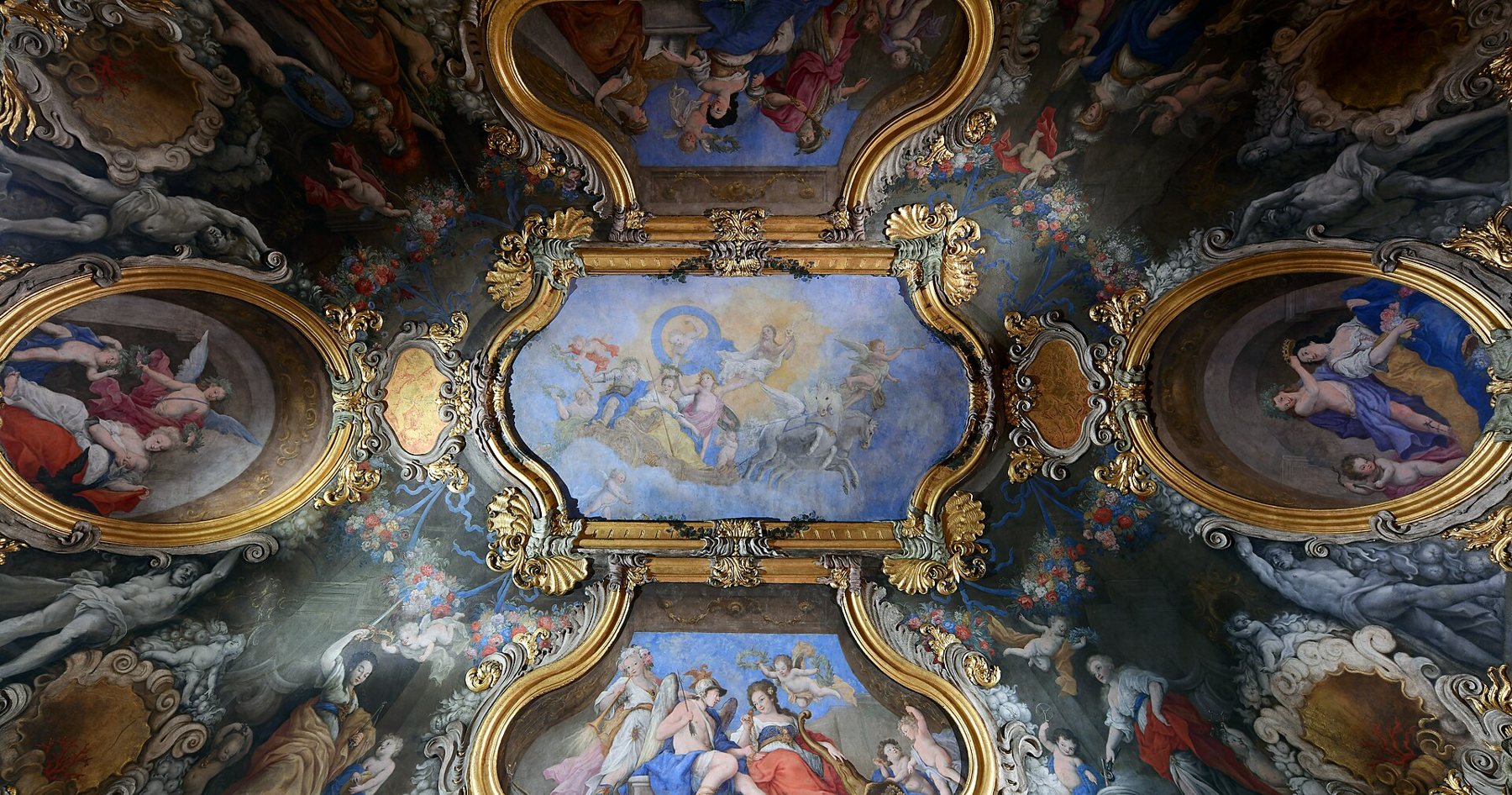
07The upper floors hold decorative arts: furniture, ceramics, glass, ivory and textiles, much of it from the courts and great houses of Piedmont. The baroque apartments of the Madame Reali, with painted ceilings and gilded decoration, are part of the visit.
A parliament and a tower
In the nineteenth century, after the Savoy kingdom became a constitutional monarchy, the Senate of the kingdom met in Palazzo Madama, and for a few years, after Italian unification, it served the first Senate of Italy. The hall where the senators met can be seen as part of the museum.
The palace tower is sometimes open for visits, with a view over Piazza Castello, the royal palace, the cathedral dome and the Alps beyond the city. Check whether it is open when you buy your ticket.
Piazza Castello around it
Palazzo Madama stands at the centre of a square surrounded by other Savoy buildings. On its north side is the royal palace, with its own museums. The arcades that line the square and the main streets running off it, characteristic of Turin, give shelter from rain and sun. The cathedral, with the chapel of the Holy Shroud, is a short walk away.
Reading the building from outside
Before going in, walk all the way round the building. On the east side, facing the river end of the square, look for the two polygonal brick towers of the Roman gate, with later medieval walls built on top of and between them. The north and south sides show the plain walls of the castle, with its corner towers and small windows. On the west, Juvarra's white facade rises suddenly, much grander and lighter than everything behind it.
At ground level, glass panels in the pavement and in the rooms of the museum reveal the Roman and medieval foundations below. The building is a lesson in how a city reuses its past, each generation adding to what it inherited rather than clearing it away.
The museum's collections of decorative arts are among the richest in Italy, and they are easy to rush past. Look for the medieval gold and enamel work on the ground floor, the carved ivory, the Renaissance glass and the cabinet of Piedmontese ceramics upstairs. Labels are in Italian and English, and the rooms are rarely crowded or noisy, even when the square outside is full.
Hours, tickets, the right day
A visit to the museum takes about ninety minutes, more if you linger. Combine it with the royal palace on the same day, or with a walk through the arcaded streets of the centre. Turin is easy to reach by fast train from Milan and other Italian cities. The list continues east to the Gonzaga palaces of Mantua. Opening hours, prices and tower access change, so check them for Turin before you go.